


Decontamination is where the instrument reprocessing cycle begins in earnest. Getting this step right is essential for patient safety, staff protection, and instrument preservation. Here are current best practices for surgical equipment decontamination.
Receiving Contaminated Instruments
Contaminated instruments should arrive in the decontamination area in covered, leak-proof containers. Ideally, they've been kept moist during transport to prevent bioburden from drying. Staff receiving instruments should wear full PPE: fluid-resistant gown, heavy-duty gloves (not examination gloves), face shield or mask with eye protection, and hair cover.
Sorting and Pre-Treatment
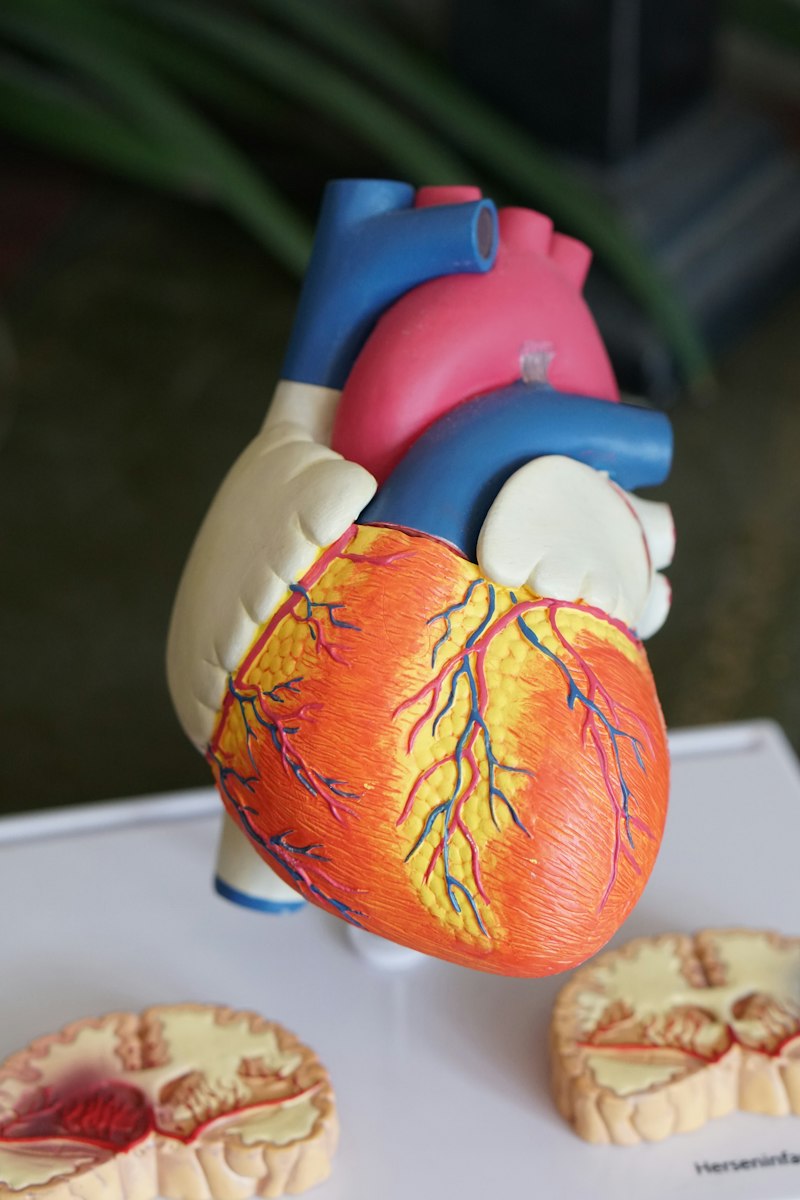
Sort instruments by type and cleaning requirements. Delicate instruments should be separated from heavy instruments to prevent damage. Open all hinged instruments. Disassemble multi-part instruments that come apart for cleaning. Remove any disposable components.
Immerse instruments in enzymatic pre-soak solution immediately. The enzymes begin breaking down protein-based bioburden on contact, making subsequent cleaning more effective. Follow the solution manufacturer's recommendations for dilution, temperature, and soak time.
Manual Cleaning
Even facilities with automated washers typically perform some degree of manual cleaning, especially for instruments with complex geometries. Use brushes designed for the instrument features you're cleaning — lumens need appropriately sized channel brushes, box locks need small dedicated brushes, and serrated surfaces need brushes that reach into the serration grooves.
Work under the waterline when possible to reduce aerosol generation. Scrub all surfaces systematically — it's easy to miss areas if you don't follow a consistent pattern for each instrument type.
Automated Washer-Decontaminators
Automated washer-decontaminators provide standardized, validated cleaning cycles. They reduce variability, improve consistency, and decrease staff exposure. Load instruments according to the equipment manufacturer's instructions — overloading reduces cleaning effectiveness.
Rinse Water Quality
Final rinse water quality matters. Mineral deposits from tap water can leave residues on instruments that promote corrosion and interfere with sterilization. Use treated water (distilled, deionized, or RO-filtered) for final rinsing.

Quality Verification
Verify cleaning effectiveness with visual inspection under adequate lighting and magnification. Consider protein residue testing for validation of your cleaning process.
Instruments that need more than cleaning can be sent to ROI Surgical for professional repair and sharpening. Contact us for service.
Need Help with Your Surgical Instruments?
ROI Surgical offers professional sharpening, repair, and maintenance services with fast turnaround. Contact our expert team today.
Ready to Work with ROI Surgical?
Whether you need instrument sharpening, repair, maintenance, or want to buy/sell equipment, our team is here to help. Contact us today for a free consultation.
Larry Razzano
Larry Razzano is the founder and owner of ROI Surgical Com LLC, a Florida-based marketplace and service provider for refurbished surgical equipment. He connects surgical centers with vetted instrument suppliers and provides repair, sharpening, and lifecycle management services that extend instrument life and reduce facility costs.


